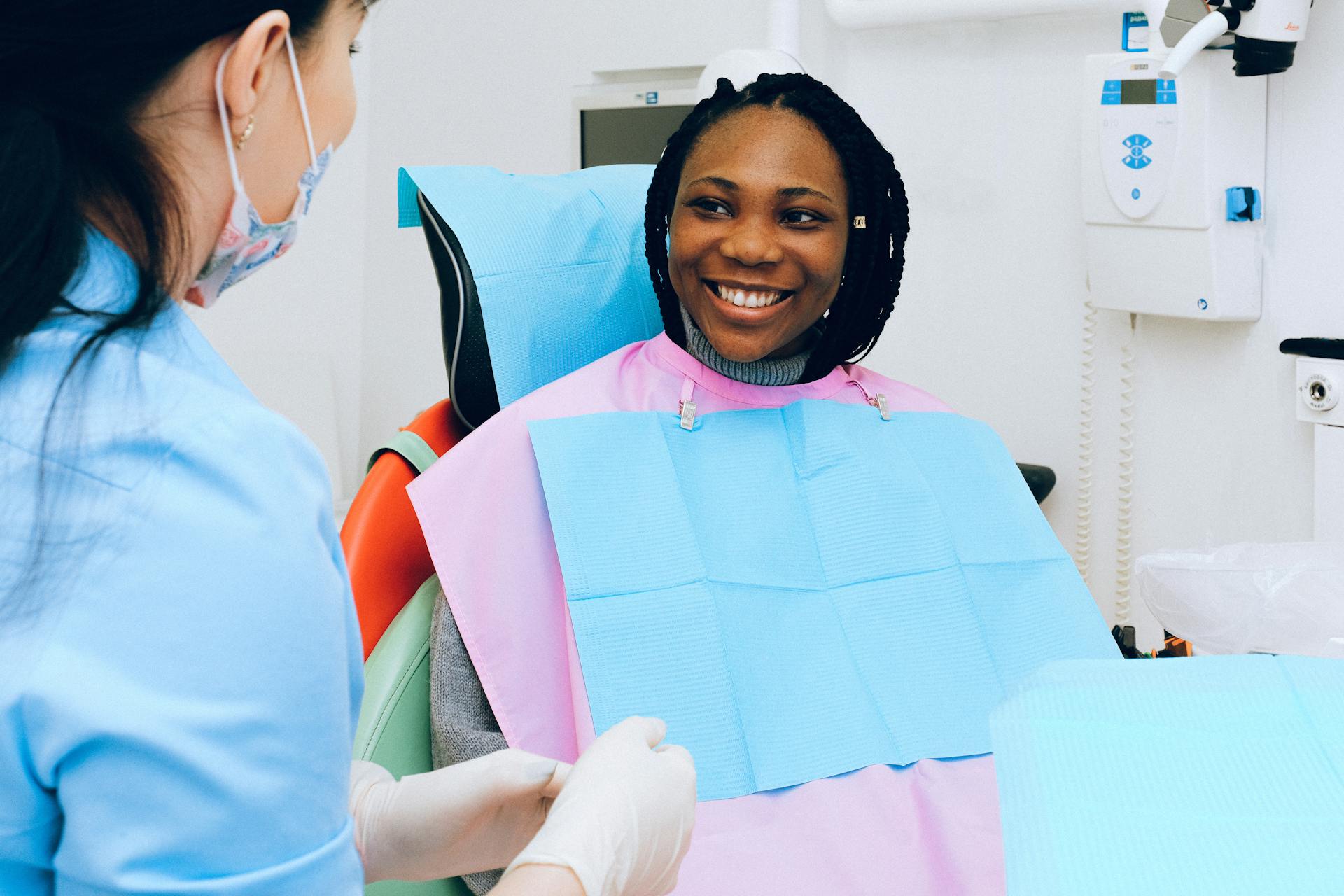
Pregnancy and Dental Care: What Every Expecting Mom Should Know
Pregnancy is a time filled with excitement, change, and preparation. As your body undergoes incredible transformations, it’s essential not to overlook your oral health. Many women don’t realize that pregnancy can significantly impact their teeth and gums—and that caring for them is more important than ever during these nine months. Here’s what every expecting mom should know about keeping their smile healthy throughout pregnancy.
Hormonal Changes Can Affect Your Gums
One of the first things you might notice during pregnancy is that your gums feel more sensitive or bleed when you brush. This is due to hormonal changes that increase blood flow and can cause inflammation in your gums, a condition known as pregnancy gingivitis. If left untreated, it can lead to more serious issues like periodontitis. Visiting your dentist regularly and maintaining a consistent routine of brushing and flossing can help keep your gums healthy.
Why Dental Care Is Even More Important During Pregnancy
When you’re pregnant, your body is working overtime—and that includes your oral health. Increased hormone levels can make your gums more susceptible to plaque, and morning sickness can expose your teeth to stomach acid that weakens enamel. That’s why dental care during pregnancy isn’t just a routine—it’s essential. If you already have dental implants, regular checkups are especially important to make sure your gums and bone remain healthy, since changes during pregnancy can sometimes affect the stability of implants. But if you want to consider one during pregnancy, it is best to consult your dentist first.
Is It Safe to Visit the Dentist While Pregnant?
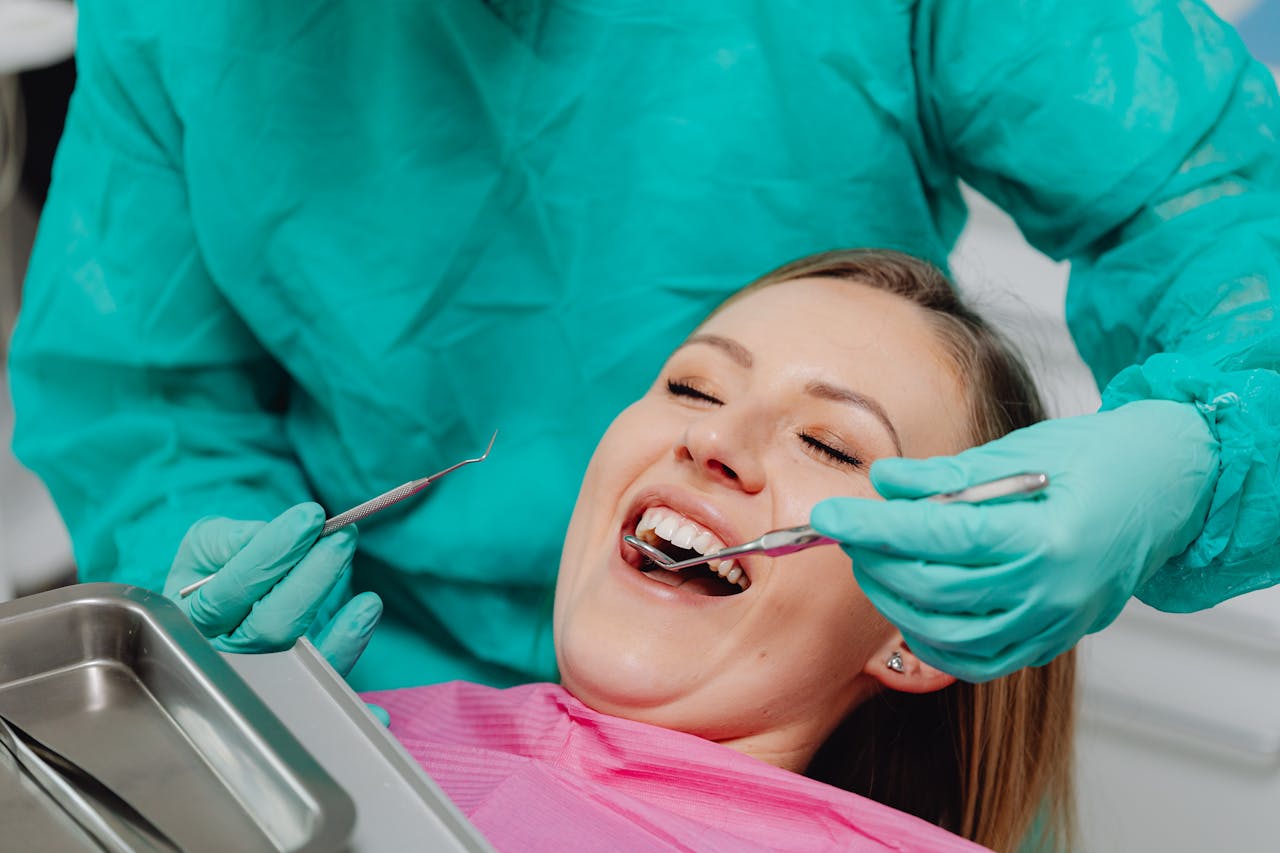
Absolutely. Routine dental visits are encouraged while you’re expecting. Dental cleanings and checkups are safe during all trimesters, though the second trimester is often considered the most comfortable time for treatment. Be sure to let your dentist know that you’re pregnant—they can adjust your care plan as needed and avoid any unnecessary X-rays or procedures. In cases of emergencies, such as a tooth infection or severe pain, prompt dental care is not only safe but also crucial for your overall health.
Nutrition Plays a Role in Your Oral Health
What you eat during pregnancy doesn’t just support your baby’s development—it also affects your oral health. A diet rich in calcium, vitamin D, and phosphorus can help keep your teeth and gums strong. Avoiding sugary snacks and acidic drinks can reduce your risk of cavities, which are more common in pregnancy due to changes in saliva and cravings. Drinking plenty of water and eating a balanced diet can make a significant difference in keeping your mouth healthy.
Morning Sickness and Tooth Enamel
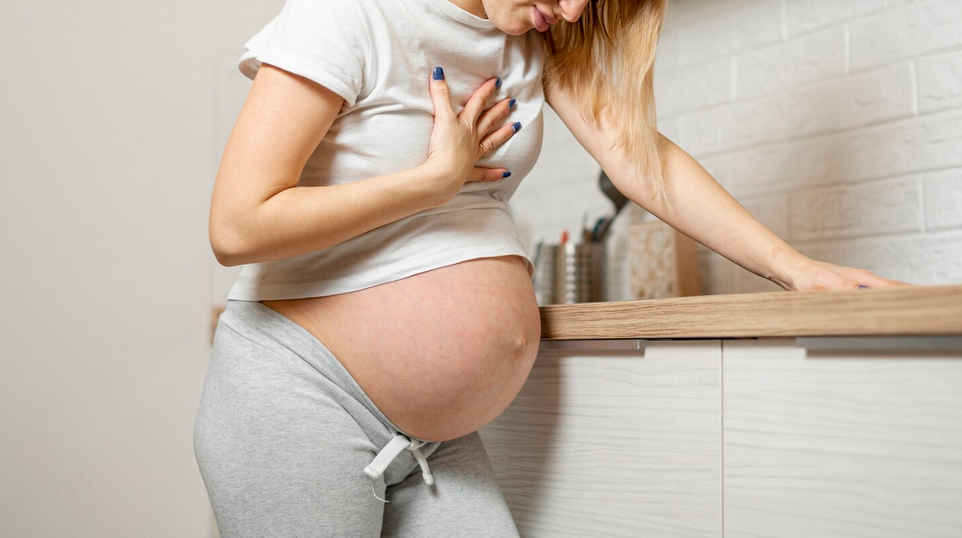
Many expecting moms struggle with nausea and vomiting, especially during the first trimester. Unfortunately, stomach acid can erode tooth enamel, making your teeth more vulnerable to decay. If you’ve been sick, avoid brushing your teeth immediately afterward, as that can spread the acid around. Instead, rinse your mouth with water or a baking soda solution to neutralize the acid, then brush about 30 minutes later. This simple step can help protect your enamel and reduce sensitivity.
Pregnancy is a journey filled with new responsibilities—and protecting your oral health should be one of them. From managing hormone-related gum changes to ensuring your diet supports strong teeth, a little extra attention goes a long way. Keeping up with dental checkups, practicing good hygiene, and staying informed will help ensure both you and your baby stay healthy. So, while you’re busy preparing for your new arrival, don’t forget to take care of your smile too.